Independent Referral Platform
Connects Salt Lake City and Wasatch Front property owners with independent, licensed Utah roofing contractors. Strictly zero web forms. Direct phone dispatch.
Draper • SunCrest • Corner Canyon • Point of the Mountain
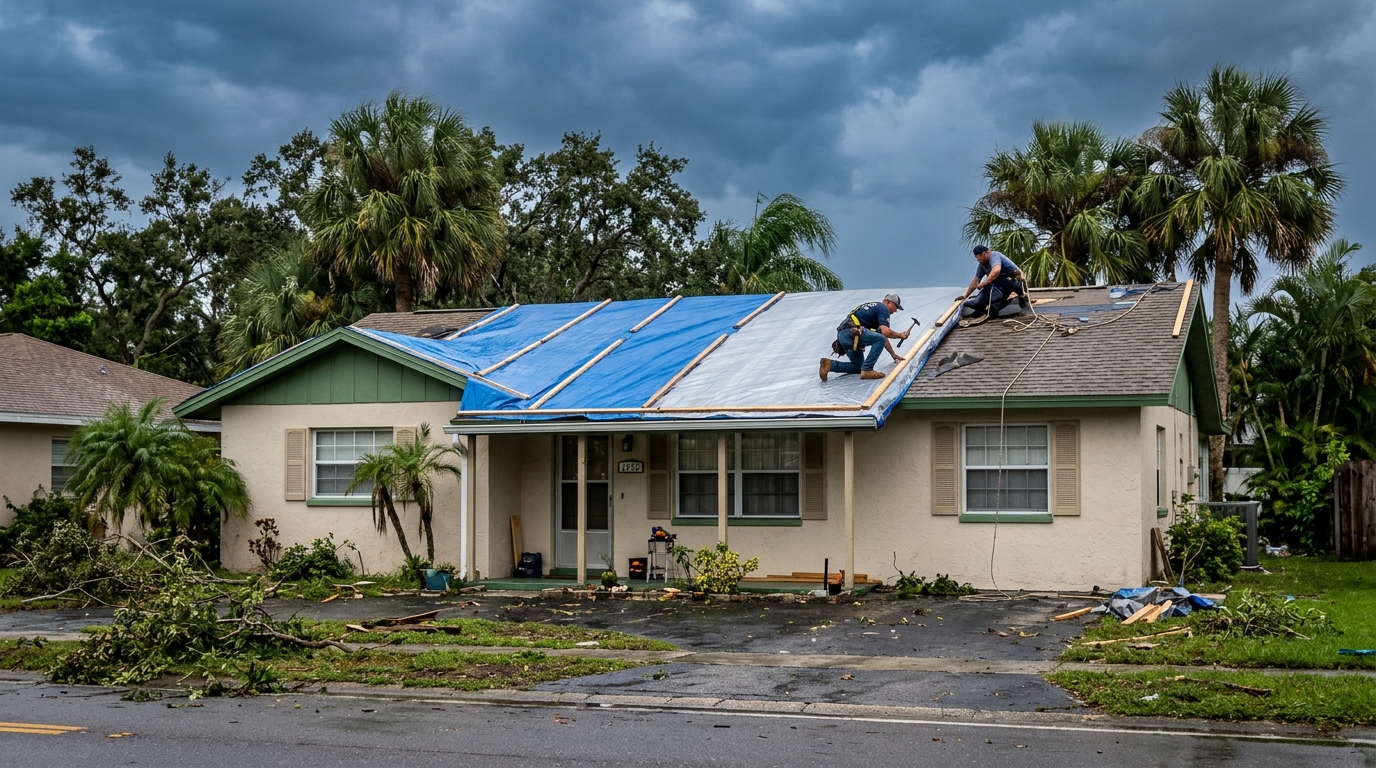
Draper Storm Damage Roof Repair & Emergency Tarping in Utah
Straddling the Traverse Ridge between Salt Lake County and Utah County, Draper features dramatic topography ranging from valley floor neighborhoods to the high alpine community of SunCrest perched at over 6,000 feet. Homes throughout Draper are subject to intense canyon wind shears exiting Point of the Mountain, along with heavy alpine snowfalls that stress roof trusses and generate massive ice dams. Our emergency dispatch desk connects Draper property owners directly with certified, licensed roofing contractors equipped for rapid high-elevation mitigation.
Protocol 4: Strict Compliance with City of Draper Building Division & Utah DOPL Standards.
1. Microclimate Dynamics & Severe Weather Stressors in Draper Storm Damage
Draper's unique geographic position at the Point of the Mountain creates an extreme wind corridor where mountain air masses collide, frequently generating sustained gusts exceeding 80 MPH. In SunCrest and Corner Canyon foothills, roofs face brutal wind scour that lifts architectural shingles, tears aluminum fascia, and dislodges valley flashings. Under heavy winter snowloads, structural deflection causes meltwater to back up behind ice dams, infiltrating cathedral ceilings and exterior walls. Dispatched contractors specialize in high-wind batten tarping, industrial steam ice dam channeling, and code-mandated ice-and-water barrier installations.
The mechanical stress exerted on roofing systems in this sector is driven by intense diurnal thermal cycling. During typical northern Utah winter conditions, sunny days warm dark roof surfaces to 45°F to 50°F, causing substantial expansion of flashing assemblies and meltwater runoff. As soon as shadows fall across the valley, temperatures plummet into the teens. Any standing moisture freezes instantly, expanding by 9% and tearing underlayment, fracturing unsealed tile joints, and dislodging chimney flashings.
Accurately diagnosing leaks in Draper Storm Damage requires scientific thermography rather than speculative guesswork. Dispatched roofing specialists employ FLIR high-resolution thermal cameras to trace moisture plumes behind drywall, insulation, and roof sheathing. Because wet cellulose or fiberglass insulation exhibits significant thermal lag compared to dry framing members, thermal imaging pinpoints the exact capillary route of intruding water without destructive demolition of walls or ceilings.
Calibrated electronic moisture meters are then used to record quantitative saturation percentages throughout structural roof trusses, ceiling joists, and OSB/plywood sheathing. This establishes baseline moisture logs essential for proving storm-induced damage to property insurance adjusters.
3. Step-by-Step Substrate Restoration Methodology
Permanent restoration follows a rigorous 4-step engineering protocol. First, technicians establish safe ladder access and secure personal fall arrest harnesses meeting OSHA 29 CFR 1926 standards. Next, damaged roof coverings (shingles, tiles, or low-slope membranes) are carefully extracted and cataloged. Any water-damaged or dry-rotted roof decking is removed down to solid rafters and replaced with APA-rated 5/8-inch CDX plywood.
Technicians then apply self-adhering SBS polymer-modified bitumen ice-and-water underlayment (ASTM D1970) across all valleys, eaves, and penetrations. This membrane bonds directly to the wood decking and self-heals around roofing nail penetrations. Finally, new heavy-gauge metal flashings and replacement roofing materials are installed and mechanically fastened to resist maximum local wind velocity ratings.
4. State Energy Efficiency Codes & Contractor Licensing Compliance
All roofing work in Draper Storm Damage is executed in strict accordance with the Utah State Building Code and the 2021/2024 International Residential Code (IRC). Contractors in our network hold active licenses issued by the Utah Division of Occupational and Professional Licensing (DOPL) under R100 General Roofing or B100 General Contractor classifications.
Each dispatched contractor carries active commercial general liability insurance (,000,000 minimum) and complete Utah statutory workers' compensation insurance, shielding homeowners from liability. All structural permits and final municipal inspections are managed directly by the executing contractor.
Proactive preventative maintenance is the most effective way to safeguard your property in Draper Storm Damage against unexpected storm failures. Property owners should schedule comprehensive roof inspections twice per year—in October before winter freezes begin, and in May following the spring snowmelt.
Key preventative maintenance priorities include clearing gutters and downspouts of scrub oak and pine needles, inspecting chimney mortar joints for hairline fissures, replacing brittle plumbing vent pipe collars with silicone boots, and verifying that attic ventilation baffles provide continuous fresh airflow to minimize ice dam formation.
Need Urgent Roof Repair Dispatch in Draper Storm Damage?
Connect directly with on-call licensed Utah roofing contractors prepared for same-day emergency triage, ice dam steam mitigation, and canyon wind tarping. Strictly zero web forms.